
Meaningful Connection & Engagement in Person-Centred Dementia Care
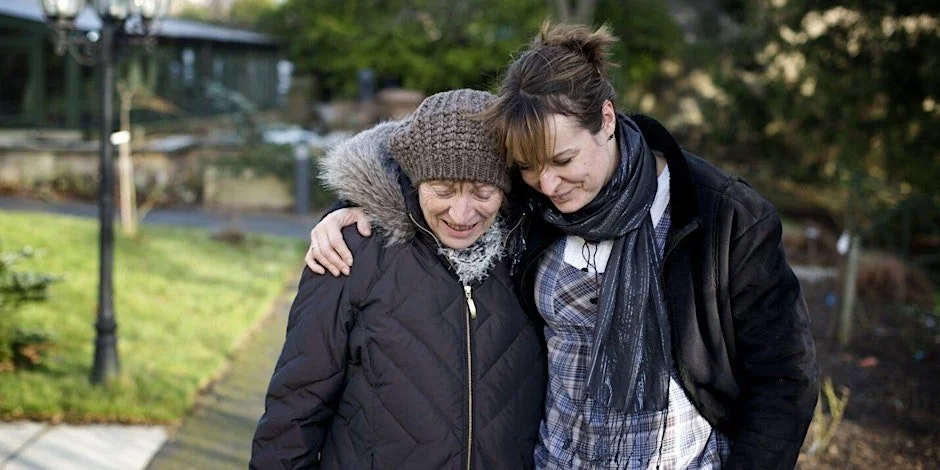
Effective dementia care training begins with a fundamental shift in perspective: moving from task-focused routines to person-led approaches that prioritise meaningful connection. This isn't simply about being kind—it's about developing specific skills and understanding that transform how we engage with people living with a dementia.
Person-led care, as championed by DSDC, recognises that every individual with a dementia has a unique biography, personality, and set of needs. Quality training programmes equip care staff to discover and honour these individual differences rather than applying one-size-fits-all approaches. This means learning to ask: "What matters to this person?" rather than "What's the matter with this person?"
A cornerstone of person-centred practice is biographical work. Whereby the use of life-story work helps us inform the care the person receives. This is very important, but where person-led care differs, is we look at the person now, their life now, their choices, their ability to have control and choice. Knowing that Margaret was a headteacher who loved organisation, or that John spent forty years as a joiner, is important and informs how we structure activities and communication. But we must also understand that as humans, our identities do not remain static. We change our minds! These insights allow care staff to design engagement opportunities that connect with someone's identity and preserved abilities, making interventions purposeful rather than patronising.
Effective training also develops observational skills. Person-led care requires staff to become skilled at reading non-verbal cues, recognising patterns in a person’s presentation and understanding that all presentations, communicates unmet needs.
Communication training must move beyond simply speaking slowly or using simple words. Staff need to learn how to validate emotions, enter someone's reality rather than correcting it, and use non-verbal connection effectively.
Role-playing exercises help practitioners experience what it feels like when someone dismisses your concerns or constantly corrects you. This builds empathy and demonstrates why validation techniques—acknowledging feelings even when the facts are confused—create connection whilst contradiction creates distress. It is also very important to think about the words we use – and what they mean.
Person-led engagement recognises that meaningful activity looks different for everyone. Training should challenge the assumption that organised group activities suit all residents. Some people thrive in social settings; others find them overwhelming. Quality training teaches staff to allow people living with a dementia to lead, have choice, observe responses, and adapt approaches.
Crucially, training must address the "why" behind specific approaches. When staff understand that the emotional tone of interactions affects wellbeing long after memories fade, they recognise that every encounter matters. When they learn that supporting someone's identity and autonomy reduces unmet needs, person-led care becomes not just compassionate but practical. This evidence base—understanding the neurological and psychological principles—transforms practice from box-ticking to genuine belief in the approach.
Supervision and reflective practice are essential components of training programmes. Staff need safe spaces to discuss challenges, share successful approaches, and process the emotional demands of dementia care. Reflective practice develops the critical thinking skills necessary for person-led care—encouraging staff to question "we've always done it this way" and instead ask "what does this person need right now?"
Ultimately, meaningful and connected dementia care develops a workforce that sees beyond the diagnosis to the person, values individual preferences and histories, and possesses the skills to create meaningful moments of connection and engagement. This approach doesn't just improve outcomes for people living with a dementia—it creates more rewarding, purposeful work for care staff themselves.
Join DSDC’s Meaningful Connection and Engagement in Dementia Care training course and understand how to provide meaningful engagement for people living with a dementia.