Welcome to DSDC.
We are a knowledge exchange centre at the University of Stirling dedicated to improving the lives of people with a dementia.
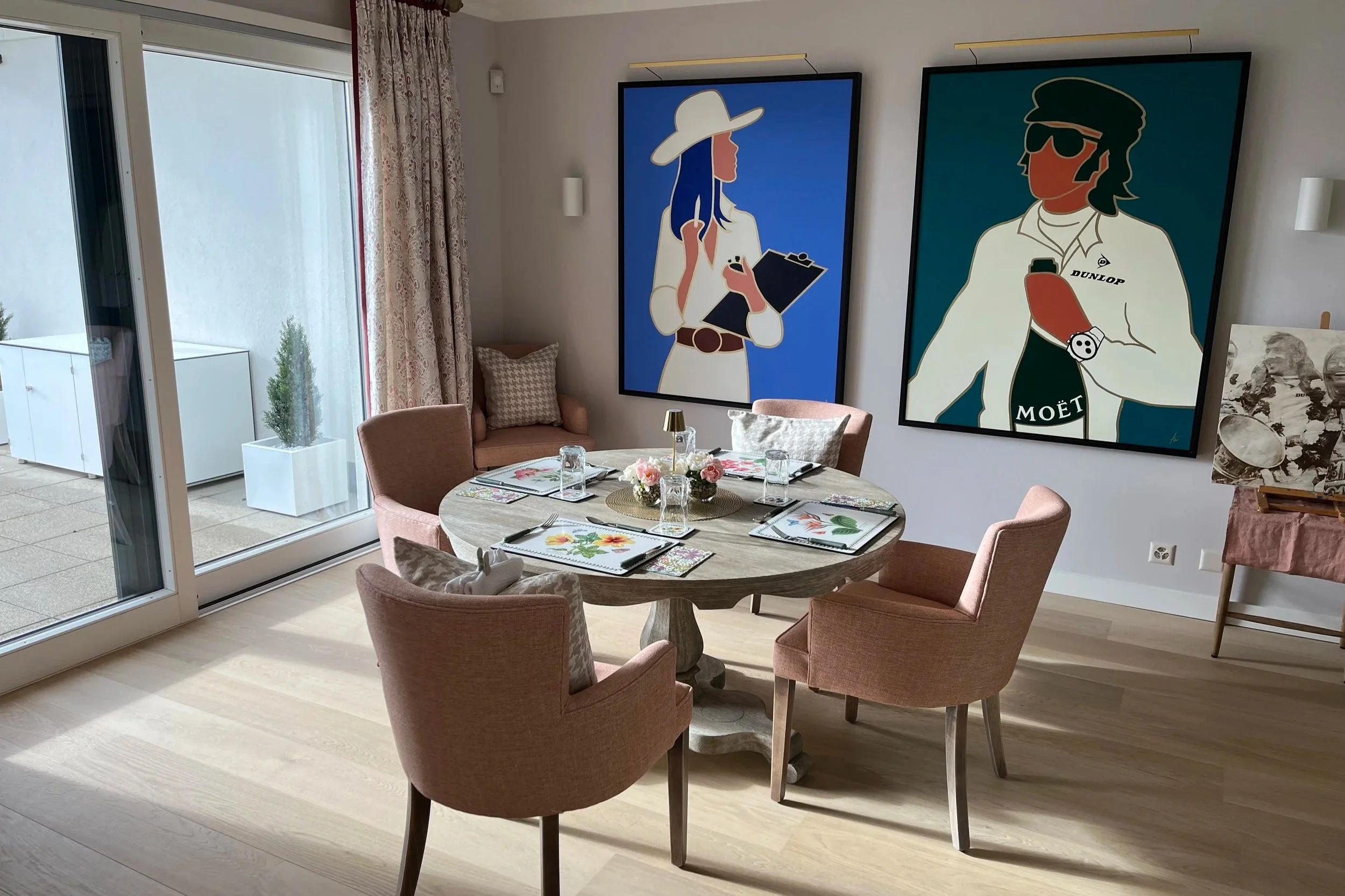
A dementia design expert at the University of Stirling has helped transform the living spaces of Lady Helen Stewart, wife of former racing champion Sir Jackie Stewart, as her dementia progresses. Stirling academic and architect Professor Lesley Palmer has been working with Fiona Pia Architectsto design a dementia-friendly apartment in Switzerland which uses space, lighting and accessibility to help Lady Stewart maintain her independence and remain at home as her dementia progresses.
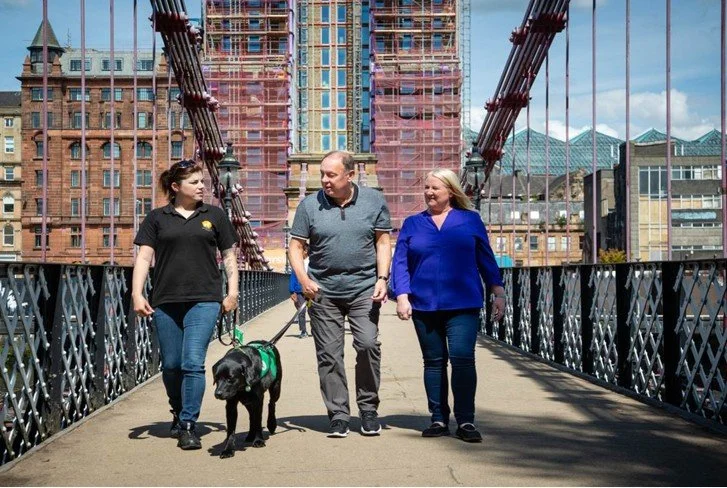
Dogs have long been cherished companions, but for people living with a dementia, their impact can be far deeper than simple friendship. At Dogs for Good we harness the unique abilities of trained dogs to support cognitive, emotional, and social wellbeing for people affected by dementia across the UK.
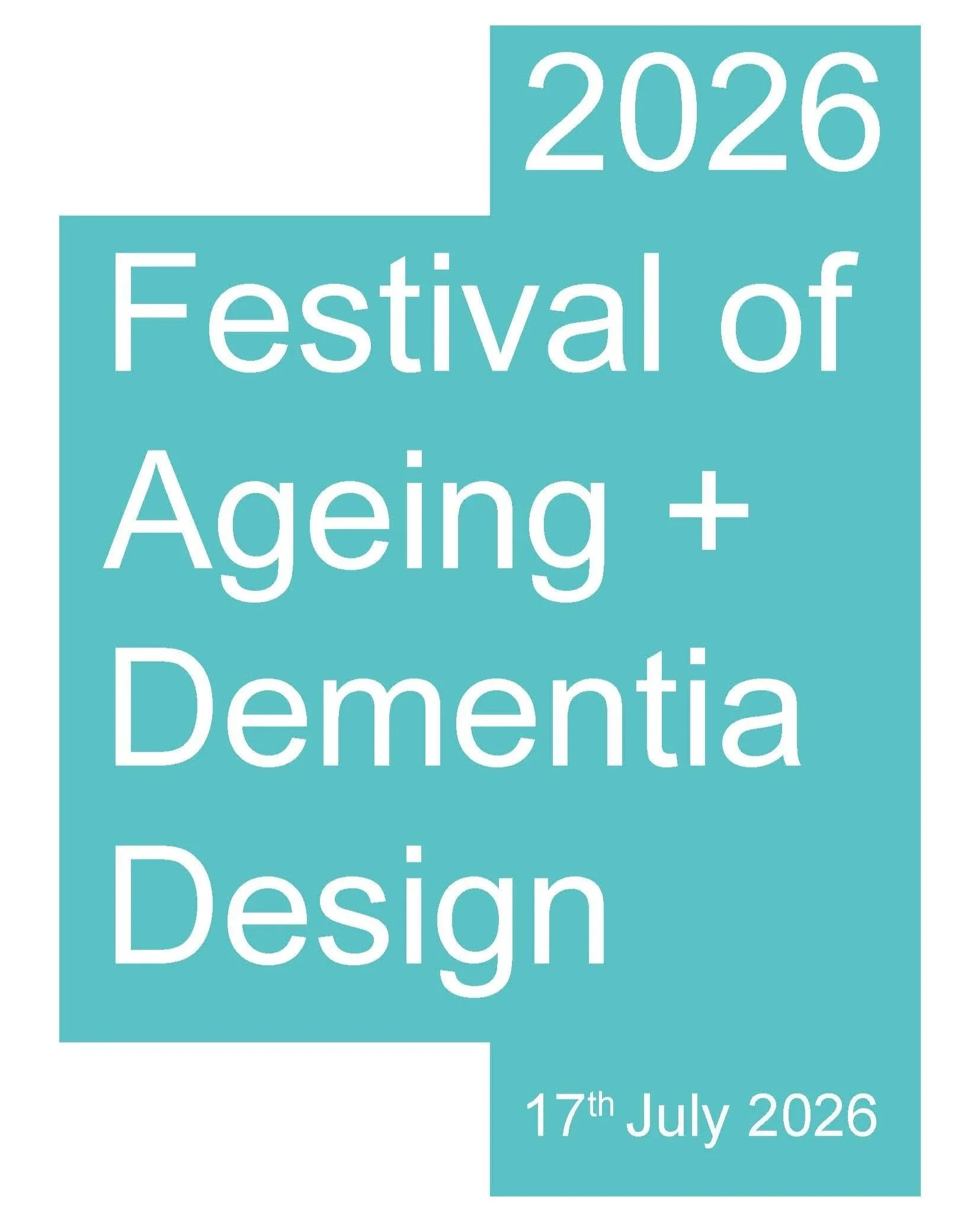
The Festival of Ageing + Dementia Design is a one-day event at the University of Stirling for citizens, professionals, industry partners and our postgraduate students to examine exploratory concepts in ageing and dementia design.
During Dementia Action Week, we need to talk more openly about loneliness, withdrawal, and the quieter presentations of unmet need that are so often overlooked within dementia care and support.
When people think about “distress “in dementia, they frequently imagine visible presentations such as shouting, agitation, or physical expressions of frustration. Yet some of the most significant unmet needs present in much quieter ways.
During Dementia Action Week, we need to have a more honest and evidence-informed conversation about hospital environments, transitions, and the impact that moving between services can have on people living with a dementia.
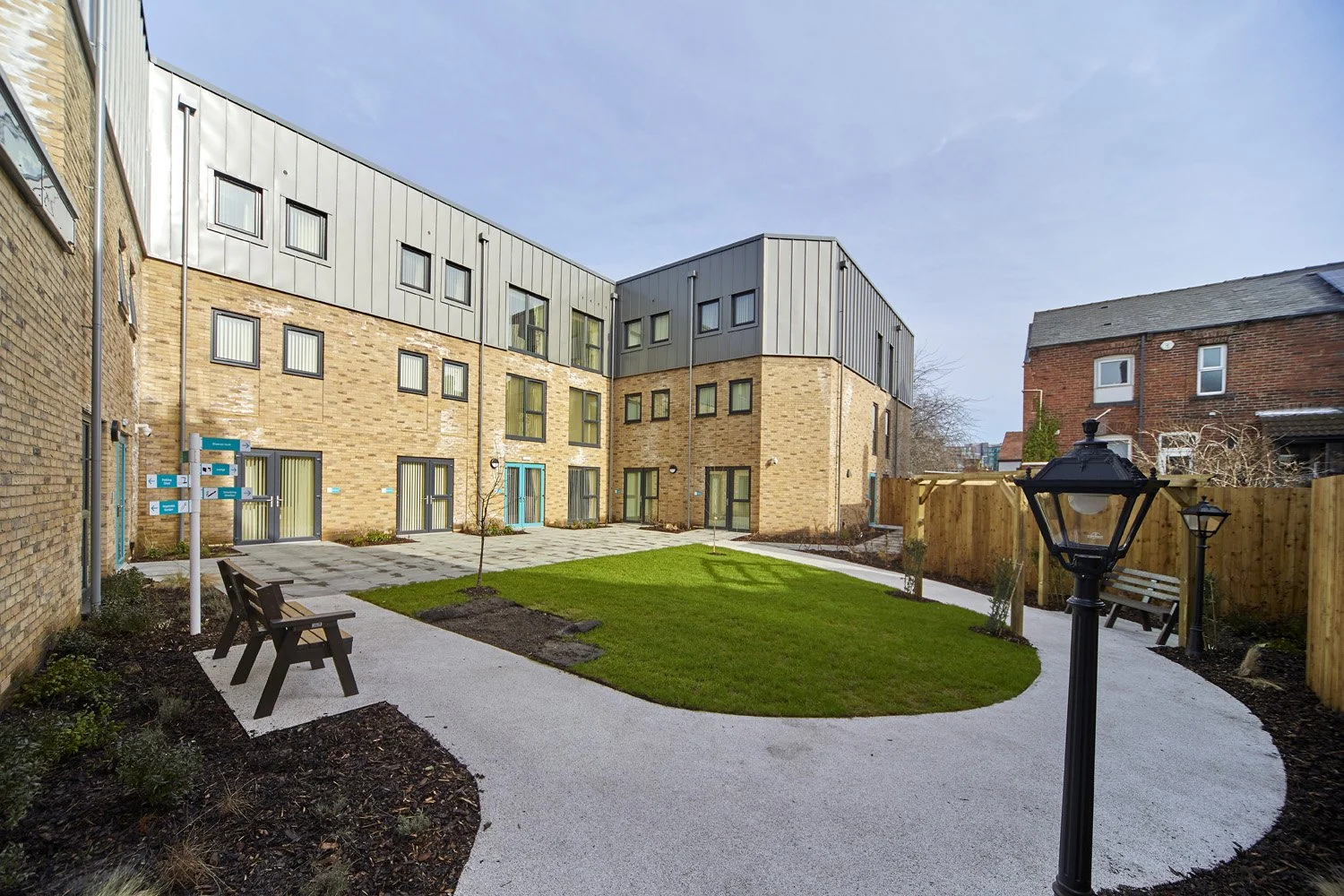
At the Dementia Services Development Centre, we regularly see how environments can either support a person’s confidence and wellbeing or unintentionally increase stress, disorientation, and unmet need. Yet despite growing awareness of dementia, many health and social care environments are still not designed with cognitive change in mind.
One of the most important conversations we need to have during is around risk, autonomy, and what meaningful living truly looks like for people living with a dementia.
Within health and social care, there is understandably a strong focus on safety, safeguarding, and risk reduction. These responsibilities matter enormously. However, in practice, there can sometimes be an unintended shift where the avoidance of risk becomes the primary focus of support, even when this begins to limit a person’s independence, identity, confidence, and opportunities for connection.
Comhairle nan Eilean Siar welcomed a delegation from Finnish organisation, Folkhälsan, to the Goathill Campus, Stornoway for a research trip into models of dementia care. Folkhälsan is the largest Swedish-speaking organisation in Finland and have recently launched their Strategic Development Plan 2026-2030. A core component of this strategy is the development of housing for older people and for people living with a dementia.
We often talk about the importance of an individual’s life story and understanding what activities people enjoy doing. Any activity could be meaningful; it could be anything from hanging up the washing to taking the dog for a walk or reading books through to playing video games. DSDC is an advocate for understading what individual’s enjoy doing and supporting them to maintain these hobbies and activities - or even try new ones! University of Stirling PhD student, Eve Maynard, is taking this to another level. Eve is looking at how digital / video games might support wellbeing for those over age 65. As part of this, Eve has found some very interesting information, in addition to some potential barriers for older adults.
Hear from Gemma Conway and Julie Reid, as they introduce Dementia UK and the role of Dementia Specialist Admiral Nurses in this recorded webinar below. They share the range of support services available across the UK and specifically in Scotland. These services are here for anyone who is affected by a dementia.
Over the last ten years, the Dementia Services Development Centre (DSDC) at the University of Stirling, has had the privilege of working with the Stewart Family to support the use of non-pharmacological interventions for Lady Helen Stewart, wife of F1 World Champion, Sir Jackie Stewart OBE. Lady Helen was diagnosed with a dementia in 2014, and the Stewart Family have strived to provide Lady Helen with interventions that support her to maintain independence as her dementia progresses.
We would like to invite people with lived experience of a dementia to take part in an in-person workshop at the University of Stirling focused on how technology can better support people living with dementia and those who care for them.
Effective dementia care training begins with a fundamental shift in perspective: moving from task-focused routines to person-led approaches that prioritise meaningful connection. This isn't simply about being kind—it's about developing specific skills and understanding that transform how we engage with people living with a dementia.
-

About Us
Formed in 1989, our centre is dedicated to: improving the lives of people living with dementia; making communities dementia-friendly; and influencing policy to improve services.
-

Our Services
DSDC offers a range of evidence-based resources, services and consultancy in dementia and ageing. Our multi-disciplinary team can support you with training, consultancy and information resources.