
Gaming and the over 65’s

Digital/video games are big business. In 2024, the video games industry was reportedly worth almost USD$300 billion globally, with an estimated 3.2 billion players worldwide. The consumer base of the gaming market is becoming increasingly diverse, with women now making up an estimated 48% of players. However, most gamers remain young, for example adults aged 65+ make up just 6% of the player population in the US.
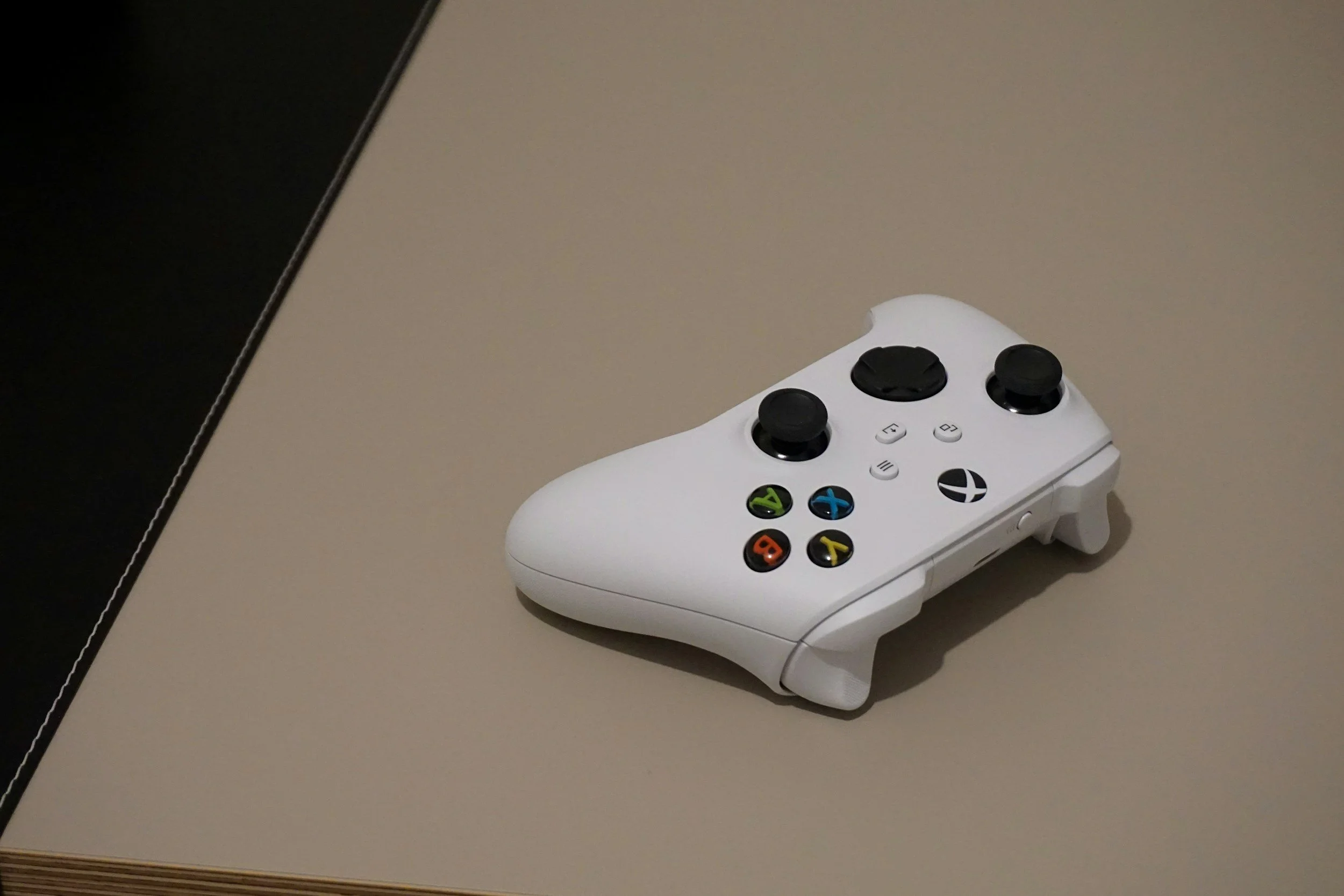
Research has shown that digital/video gaming can be effective at improving individual well-being amongst adults aged 65+. Gaming can increase enjoyment levels, improve cognitive health, and increase levels of socialising and bonding when playing alongside friends and family. Therefore, digital/video games have the potential to positively affect individual well-being, improving levels of enjoyment, socialising, and happiness.
Despite the possible well-being benefits of video games, the existing research has shown that video game usage can also have some negative effects on player behaviours. This includes the effects of violent game content, with some studies showing a link between game playing and increased aggressive behaviours. Exposure to sexualised game content, particularly how
women are represented, has also been linked to lowered self-esteem amongst women, and the reinforcement of misogynistic views amongst men.
Furthermore, an estimated 72% of video game developers are men, and just 13% of video game developers worldwide are over the age of 45. Key issues within the video game industry also relate to the prevalence of stereotypical game content particularly related to gender and age, with women and players aged over 65 often feeling excluded in gaming spaces. Another issue affecting the engagement of players aged 65+ relates to inaccessible game content and design, often not inclusively designed.
My name is Eve Maynard. I am a PhD student at the University of Stirling, and I am inviting you to take part in a survey looking at the experiences of gamers aged 65 and over. I am exploring how digital/video games - from puzzle apps and digital card games to PC and console titles - might support well-being for adults aged 65+. Whether you play games on your mobile phone, a console, or PC, I would like to hear your views: take the survey.