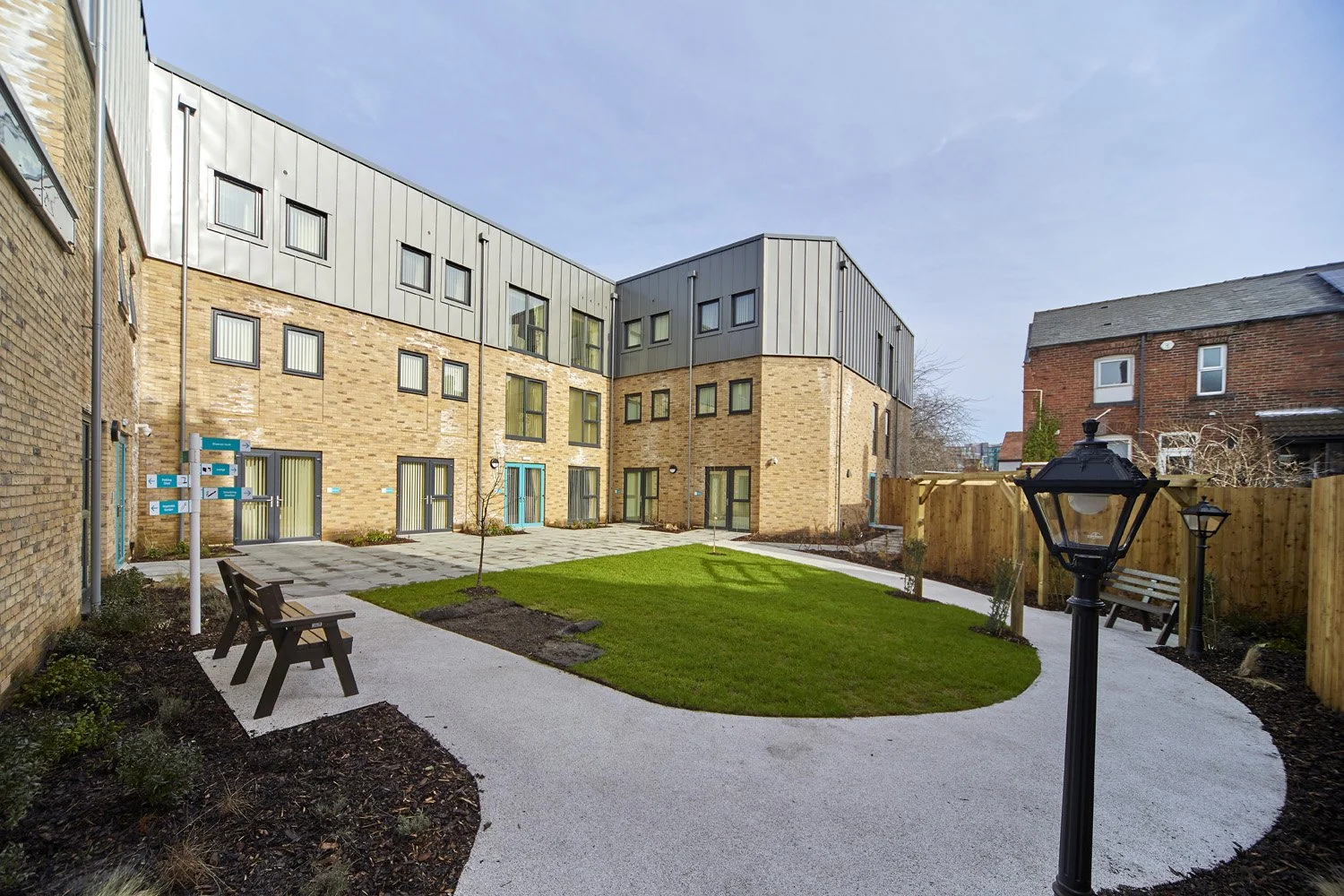
Hospital environments, transitions and impact
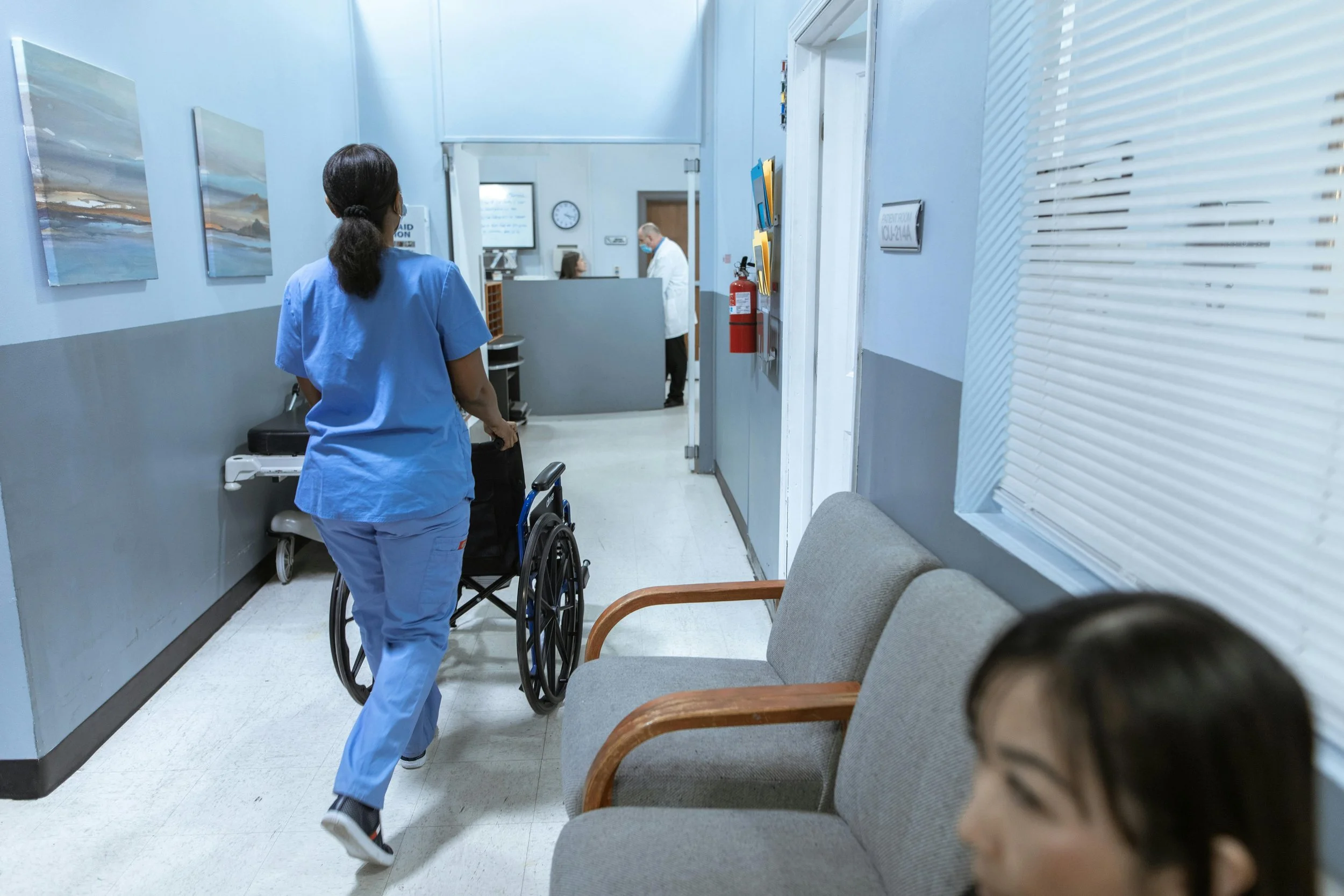
During Dementia Action Week, we need to have a more honest and evidence-informed conversation about hospital environments, transitions, and the impact that moving between services can have on people living with a dementia.
At the Dementia Services Development Centre, we regularly see how environments can either support a person’s confidence and wellbeing or unintentionally increase stress, disorientation, and unmet need. Yet despite growing awareness of dementia, many health and social care environments are still not designed with cognitive change in mind.
For many people living with a dementia, a hospital admission is not simply a change in location. It can represent a significant disruption to familiarity, routine, orientation, and emotional security. The sounds are different. The lighting is different. The pace is different. Faces change frequently. Communication may become more task-focused and less relational. Even navigating to a toilet, understanding signage, or recognising where they are can become increasingly difficult in environments that are busy, clinical, and unfamiliar.
When someone becomes quieter, more withdrawn, changes in their presentaton, or increasingly disoriented following a move, we can sometimes view this only through a medical or “behavioural” lens. But we must also ask what role the environment itself is playing. Is the person overwhelmed? Are they struggling to process the noise, visual information, movement, or unpredictability around them? Have they lost the familiarity and rhythm that previously supported their confidence and independence?
The environment is never neutral for a person living with a dementia.
This is why dementia-inclusive design matters so deeply across acute care, community services, housing, and long-term support settings. Features such as appropriate lighting, good visual contrast, reduced glare, legible layouts, quieter spaces, clear wayfinding, access to movement, and consistent points of orientation are not simply aesthetic choices. They are evidence-informed approaches that can directly influence confidence, emotional wellbeing, mobility, nutrition, sleep, and engagement.
Importantly, this is not about creating specialist or segregated environments. It is about creating spaces that are more understandable, enabling, and humane for everyone.
Dementia Action Week should encourage us to move beyond awareness alone and begin critically examining the environments and systems people are expected to navigate every day. Because if someone is struggling within a space, we should not immediately assume the problem sits solely within the individual. Sometimes the environment itself is the barrier.
As professionals, organisations, and communities, we must continue asking ourselves difficult but necessary questions. Are our environments reducing pressure or increasing it? Are our transitions coordinated in ways that preserve familiarity and continuity? Are we supporting orientation, independence, and dignity — or unintentionally undermining them?
People living with a dementia deserve environments that work with them, not against them.